Brewery

Capital allowances case study

BACKGROUND

Having strengthened our working relationship with one of our accounting partners since they referred their first client to us in 2016, we have completed numerous capital allowances claims for their client base with a high level of success.


Spanning the spectrum of capital allowances work, we have provided invaluable advice and expertise relating to historic reviews of fixed asset registers, recent property acquisitions, analysis of expenditure on property improvements, and protection of tax relief on the disposal of property.


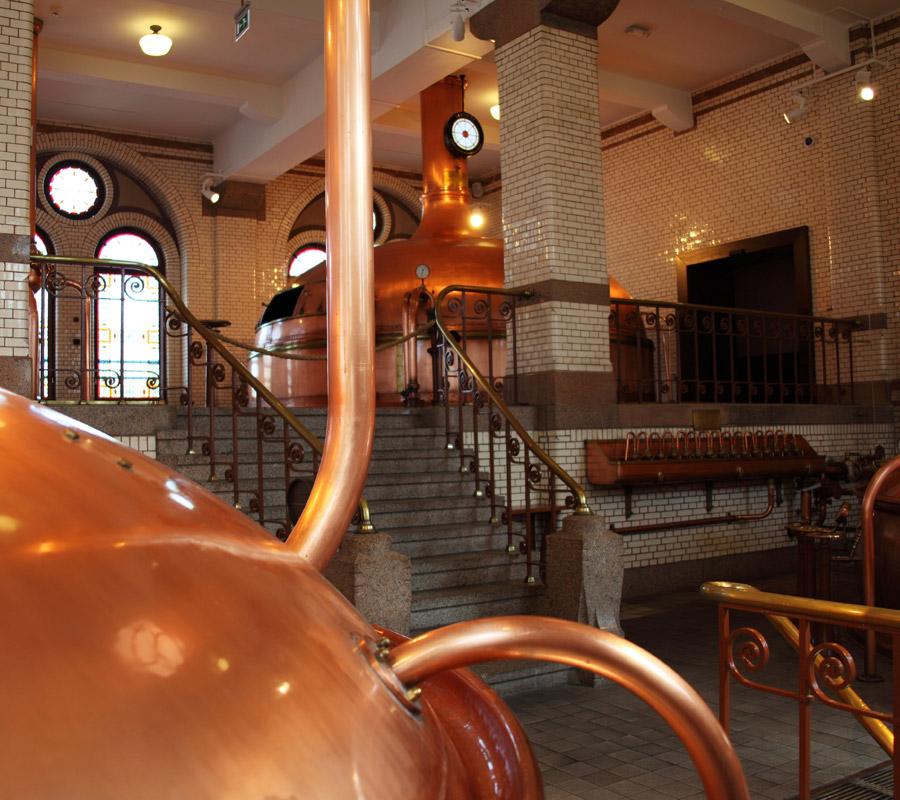
One such piece of work incorporated a review for the £8.5m redevelopment of derelict buildings to be brought into use as part of their client’s expanding brewing and distillery business. The project was conducted in phases over a 3-year period and once complete, this provided the business with a new central hub to include a production facility with warehouse and stores, staff offices and amenity facilities, and a visitor centre with restaurant and WC facilities.


Why Did Six Forward Get Involved?

Although our accounting partner is well versed in annual reviews of capital and revenue expenditure on a piecemeal basis, they wanted a safe pair of hands to look after a capital allowances project of this size and complexity. In particular, they wanted a capital allowances expert with survey capability and knowledge of construction methods, as well as legislation and case law, to maximise the tax savings available to their client.

Following a common misconception surrounding CAA2001, section 12 – Expenditure incurred before qualifying activity carried on, the accountant was under the impression that the expenditure would be treated as incurred in full on the day the property was brought into use upon its completion – as such, our involvement was later than we prefer. In practice, this point only applies where expenditure is incurred before trade commences and as the company was actively trading before the project commenced, their entitlement to claim capital allowances already existed.

The deemed date of expenditure is important when determining whether the allowances will be eligible for write down via annual investment allowance (AIA) for accelerated relief in the year of spend, or via writing down allowances (WDAs) where out of time for AIA.

How Did We Help?

As trusted experts in this area of taxation, we carried out a full review to confirm entitlement and were able to maximise the claim and rate of write down by applying our legislative knowledge, and survey and valuation methodology to provide a robust and defensible report, fully rooted in correct statutory principles.

Despite the missed AIA against first year expenditure, these pools of allowances would still attract WDAs when brought into an amendable tax year. PMAs in years 2 and 3 were more significant with AIAs being available in each year to accelerate write down for more immediate tax relief. Amendment of an earlier tax return resulted in a tax rebate against tax already paid.

Relevant Legislation For This Case

Capital Allowances Act 2001 s.11, 15, 176

Contact Us

brewery capital allowances case study

Tax savings £533,100

TOTAL QUALIFYING EXPENDITURECirca £8.5m
Circa £8.5m
PLANT AND MACHINERY ALLOWANCES (PMAs)
Main Rate Pool£2,516,399
£2,516,399
Special Rate Pool (integral features)£289,388
£289,388
TAX SAVINGS
(Property Tax Relief)£533,100
£533,100
funeral directors capital allowances case study

Funeral directors

Case study

One client, an established funeral director, notified the accountant of their plans to extend their existing premises to provide a new mortuary, additional offices, and a new chapel. The cost of the project was c £1.15m and span two accounting periods.

Read case study
Case study

Funeral directors

One client, an established funeral director, notified the accountant of their plans to extend their existing premises to provide a new mortuary, additional offices, and a new chapel. The cost of the project was c £1.15m and span two accounting periods.

Read case study
Hydro Power Plant Case Study - Capital Allowances Consultants - Six Forward

Hydro Power Plant

Case study

There had been a high-profile case (SSE Generation v HMRC) where HMRC did not accept that certain assets qualified as plant and machinery within the hydroelectric plant and thus denied capital allowances. The profile of the case cast doubt in the mind of the accountants and their client as to the extent of allowances to be claimed.

Read case study
Case study

Hydro Power Plant

There had been a high-profile case (SSE Generation v HMRC) where HMRC did not accept that certain assets qualified as plant and machinery within the hydroelectric plant and thus denied capital allowances. The profile of the case cast doubt in the mind of the accountants and their client as to the extent of allowances to be claimed.

Read case study
Success Stories - Capital Allowances Consultants - Six Forward

Success stories

Discover our

Find out how we’ve helped hundreds of accountants deliver results for their clients through unrivalled specialist capital allowances advice.

Read our case studies
Discover our

Success stories

Find out how we’ve helped hundreds of accountants deliver results for their clients through unrivalled specialist capital allowances advice.

Read our case studies

Get in touch with
Six Forward

Contact us today to get a free consultation from our expert capital allowances team. Request a call back and one of our advisors will contact you at a time that suits you.

    • By using this contact form you agree to the processing of your data by this website. Please review our Privacy & Cookie Policy before using our website.

    Sign up for insights
    from industry leaders

    To comply with data protection we use a double opt-in method of registration. Upon submitting your email address please view your inbox to confirm subscription.

    Sign up for insights<br><span>from industry leaders</span>

      Find all your capital allowances answers here at Six Forward

      Contact us