A “Freeport tax site” is a “special area” in Great Britain designated for specified capital allowances purposes. The sites also offer additional tax advantages.
Freeports offer capital allowances benefits for certain expenditure:
- by companies (only) on plant and machinery; and
- by companies and others on expenditure qualifying for structures and buildings allowances (SBAs).
Detailed rules within the Capital Allowances Act can be varied by regulations to allow for adjustments at short notice.
The essential principles can be summarised as follows.
Plant and machinery
The FYAs for plant and machinery will be available in Freeports until September 2026,
Companies will wish to balance claims under this heading with claims for the new “super-deduction” and for annual investment allowances (AIAs). Care is needed because of the complex phasing-out rules that apply as the AIA threshold reduces.
To qualify for freeport FYAs, the plant or machinery must be for use primarily in an area that is designated as a freeport tax site at the time the expenditure is incurred. Clawback provisions apply if the actual use differs, and various anti-avoidance rules are built in to the legislation.
The plant or machinery must be “unused and not second-hand”. So, the FYAs are not available, for example, for fixtures in properties bought from someone who has already used the building.
The Freeport FYAs are given for trades and certain specified concerns, but not for property businesses and not for those carrying on a profession or vocation.
The various “general exclusions” that apply for FYAs apply equally here. For example, the FYAs are not given for cars or leased assets.
Structures and buildings
SBAs are available for the construction costs of certain buildings and structures, but not for residential property or for land costs. They are not given for property fixtures, which are instead subject to the plant and machinery rules.
To qualify for the accelerated SBA at 10%, the construction of the building must begin at a time when the area in which it is situated is designated as a Freeport tax site; the construction is for this purpose treated as beginning when the first contract for works is entered into. An apportionment is permitted for buildings situated only partly within a freeport tax site.
The property must be brought into first qualifying use when situated in a Freeport tax site, and in any case by 30 September 2026. The person incurring the qualifying expenditure must be within the charge to either income tax or corporation tax when the expenditure is incurred.
Remember that SBAs carry a sting in the tail when it comes to calculating a capital gain on a future disposal, in a way that is not true for plant and machinery claims.
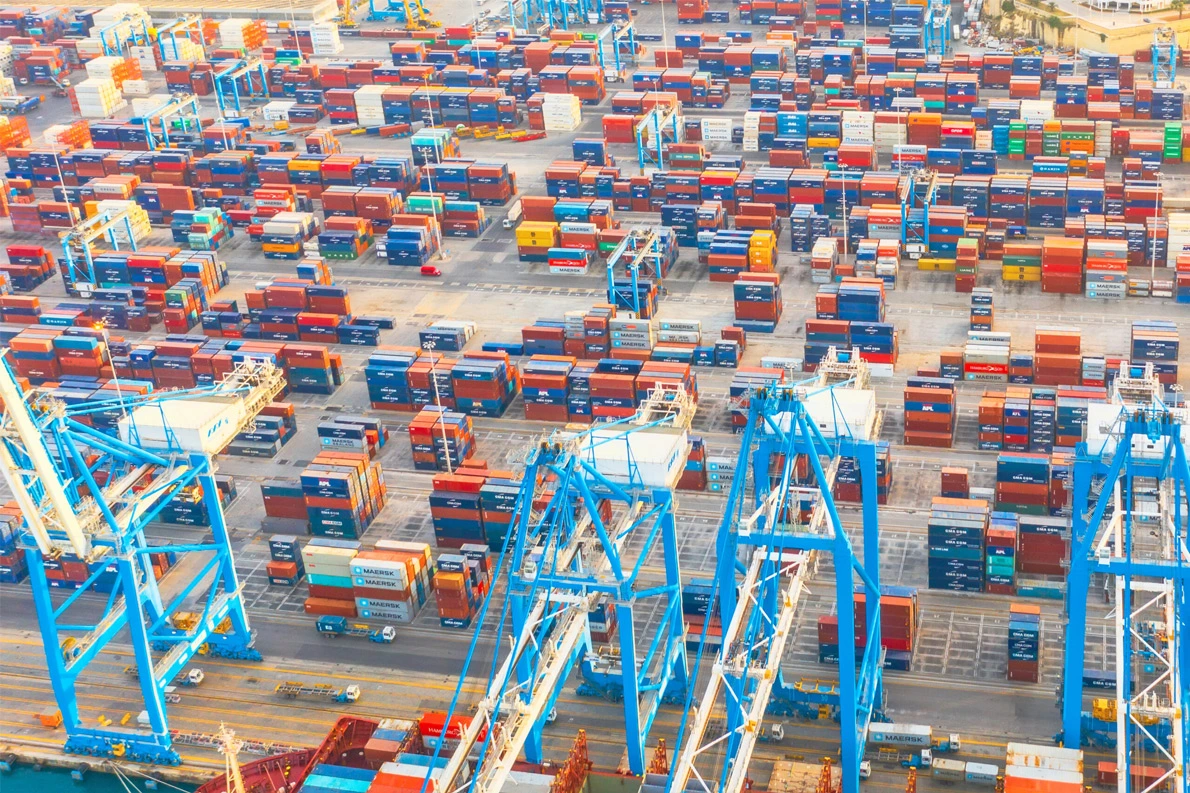
The first English Freeports to be announced are mostly in large coastal port areas: Liverpool, Hull and Teesside in the north; Southampton and Plymouth on the south coast; and London Gateway, Felixstowe and a zone at East Midlands airport. It is understood that discussions are ongoing regarding other parts of Great Britain but that a different model may be needed for Northern Ireland.
This blog has been condensed from commentary in the 2021-22 edition of Capital Allowances, written by Six Forward authors and now available from Claritax Books.
