FOCUS ON CASE LAW
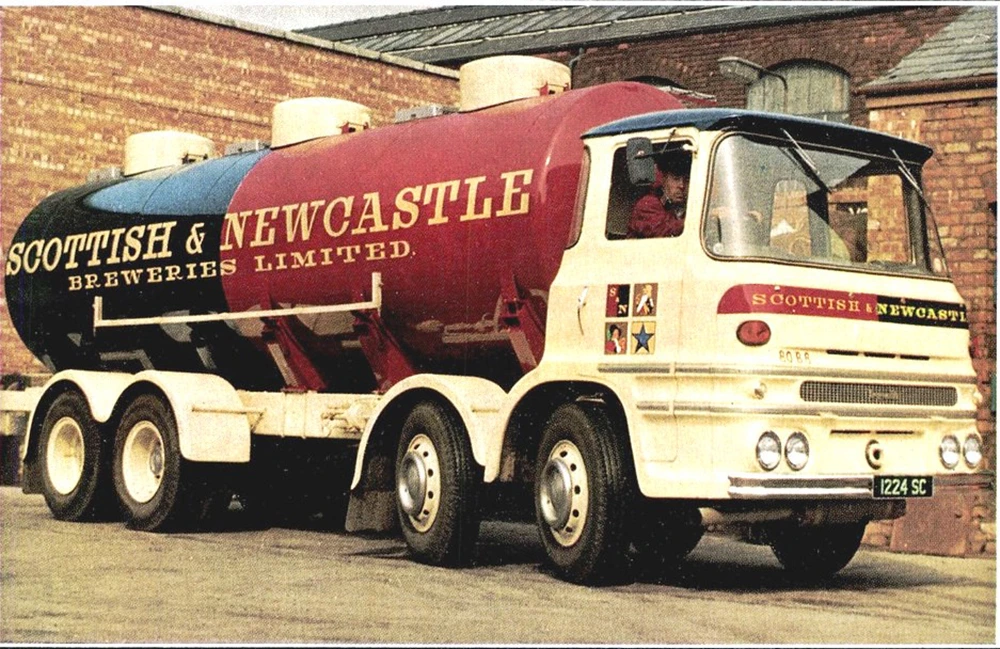
CIR v Scottish & Newcastle Breweries Ltd [1982] BTC 187
“I think that much difficulty is caused by seeking to place limitative interpretations on the simple word ‘plant’: I do not think that the classic definition propounded in Yarmouth v France suggests that it is a word which is other than of comprehensive meaning.”
Why does it matter?
This statement was made by Lord Lowry in the House of Lords in 1982. The Lords found unanimously in favour of the company, dismissing the Crown’s appeal. It is therefore a statement with the highest judicial authority, and it makes the general point that the word “plant” has a very broad meaning.
Analysis
The meaning of “plant and machinery” (and more specifically, of just “plant”) has been debated in the courts for well over a century. Although the concept is fundamental for claiming the most important category of capital allowance, the legislation provides no positive definition of the word “plant”.
The legislation does tell us what the term “plant and machinery” does not include – principally, though subject to important exceptions, buildings and structures (sections 21 and 22 respectively of CAA 2001).
And the legislation also tells us that the plant and machinery rules are to be applied “as if” certain expenditure were on plant or machinery (s. 33A(2)). This allows claims to be made for some very important categories of expenditure, especially “integral features”, without having to worry about case law definitions of plant.
For the most part, however, we do have to keep returning to case law principles, and it is important to remember the quotation from this case, stating clearly and unequivocally that the term “plant” has a “comprehensive meaning”.
Much has changed since this decision in 1982, which concerned decorative assets. We now have the statutory restrictions of s. 21 for buildings, and a specific exemption from those restrictions for “decorative assets provided for the enjoyment of the public in hotel, restaurant or similar trades”. The case also had much to say about the distinction between setting and plant, and the whole question of the “function” of a particular asset.
For present purposes, however, those are mere details. The enduring relevance of this case includes the quotation above, reminding us that once we have negotiated any statutory hurdles, and have understood the key distinction between apparatus and premises, the term “plant” is to be interpreted generously and broadly.
